Diagnosis · treatment · follow-up
Vein Restoration in Jacksonville: Treat the Source, Then the Surface
Vein restoration is our coordinated approach to improving the symptoms and visible effects of leg-vein disease. It is not one procedure; it is a plan that starts with diagnosis and sequences the right treatments for your anatomy.
From aching and swelling to bulging varicose veins and surface spider veins, each layer is addressed in the order that supports a durable, natural-looking result.
Book a vein consultationMedically reviewed by Jose I. Almeida, MD, FACS, RPVI, RVT — Vascular Surgery, medical director
What Does Vein Restoration Mean?
Visible veins are often the surface expression of a deeper valve problem. When valves fail, blood falls backward and pools, raising pressure in branch veins and contributing to heaviness, aching, swelling, skin changes, varicose veins, or spider veins.
A restoration plan begins with an exam and vascular ultrasound to map reflux and separate medical disease from cosmetic surface concerns. That diagnosis determines which treatment, if any, should come first.
When a larger source vein is refluxing, radiofrequency ablation or laser ablation can close it through a small catheter. Bulging branches may then be treated with ambulatory phlebectomy or foam, while remaining surface veins can be refined with sclerotherapy.
Not everyone needs every step. Some patients need only cosmetic spider-vein treatment; others need medical source treatment and follow-up imaging before the visible veins are addressed.
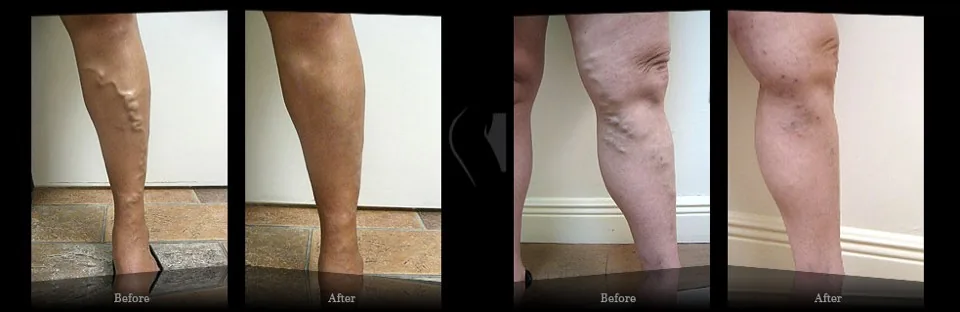
What a Vein Restoration Plan Can Address
The goal is a complete picture and a sensible sequence, whether your concern is medical, cosmetic, or both.
Aching and heavy legs
Symptoms that build through the day can reflect rising venous pressure from valves that no longer close properly.
Ankle and lower-leg swelling
Swelling that improves with elevation or overnight can have a venous component worth evaluating.
Bulging varicose veins
Raised branch veins may improve after source treatment or need targeted phlebectomy, foam, or sclerotherapy.
Spider and reticular veins
Once deeper disease is ruled out or controlled, surface treatment can focus on the veins that affect leg appearance.
Skin changes near the ankle
Darkening, firmness, itching, or slow-healing wounds can signal advanced venous pressure and deserve prompt evaluation.
Previously treated veins
New symptoms or veins after prior care call for fresh imaging to distinguish progression, an untreated source, or a cosmetic concern.
How the Restoration Process Works
Care moves from diagnosis to source treatment, surface refinement, and follow-up as needed.
-
Consultation and ultrasound mapping
We review symptoms and prior treatment, examine your legs, and use duplex ultrasound when indicated to map valve function and blood flow.
-
A sequenced treatment plan
You receive a clear explanation of what is medical, what is cosmetic, which step comes first, and what insurance may cover.
-
Treating underlying reflux
When present, a diseased source vein may be closed with radiofrequency or laser ablation under local anesthesia.
-
Addressing visible branches
Phlebectomy, foam, or sclerotherapy can treat remaining bulging or surface veins based on their size and anatomy.
-
Follow-up and maintenance
Imaging confirms source treatment when needed, while later visits monitor progression and address new cosmetic veins if they develop.
Get One Plan for the Whole Vein Picture
A consultation separates the source, symptoms, and surface concerns so you know what needs treatment, what can wait, and what coverage may apply.
Schedule my vein evaluationWhy Choose Miami Vein and Wellness, Jacksonville
Vein restoration requires more than one tool. Cristal Boatright, MMS, PA-C has extensive experience across consultation, ultrasound, sclerotherapy, and full-spectrum venous care, with Jacksonville treatment guided by Miami Vein Center protocols.
Because diagnosis, medical treatment, cosmetic refinement, and follow-up are coordinated under one roof, recommendations are based on your vein map rather than the only device available.
- Vein-focused clinical evaluation
- In-office duplex ultrasound
- Medical and cosmetic treatments coordinated
- Insurance verification and prior authorization support
- Follow-up designed for progressive vein disease
Vein Restoration Cost and Coverage
There is no single package price because vein restoration is a personalized sequence rather than one procedure. Medical evaluation, ultrasound, ablation, phlebectomy, and cosmetic sclerotherapy each have different coverage rules.
Medically necessary care may be covered when symptoms, ultrasound findings, and plan requirements are met. Cosmetic spider vein treatment is generally self-pay at $350 per sclerotherapy session.
We separate medical and cosmetic costs, verify available benefits, and review expected expenses before treatment is scheduled.
Pricing is current as of the latest service menu and is subject to change. Your provider will confirm the right plan and final pricing at your consultation.
Frequently asked questions
Is vein restoration a specific procedure?
No. Vein restoration is the name for a coordinated treatment plan. Depending on your diagnosis, it can include ultrasound, ablation, phlebectomy, foam treatment, sclerotherapy, compression, and follow-up.
Why treat the source vein before visible veins?
A refluxing source vein can keep feeding pressure into varicose branches. Identifying and treating that source first, when present, gives the visible-vein plan a better foundation.
Will closing or removing veins reduce circulation?
Treatment targets veins that are allowing blood to pool or flow backward. Blood reroutes through functioning veins, and ultrasound helps confirm which vessels can be treated appropriately.
How long does a complete vein restoration plan take?
The timeline depends on the number and type of steps. Medical source treatment and follow-up imaging may come first, followed by surface-vein treatment over additional visits. Your plan is outlined after evaluation.
Can vein restoration include cosmetic spider vein removal?
Yes. Once underlying reflux is ruled out or controlled, spider vein removal can be included as the surface-refinement stage of the plan.
Is vein restoration covered by insurance?
Insurance applies to individual medically necessary services rather than the umbrella term. Coverage depends on symptoms, ultrasound findings, conservative-care requirements, and your specific plan. Cosmetic services are generally self-pay.
Can new veins appear after treatment?
Yes. Successfully treated veins generally stay closed or removed, but venous disease can progress and new surface veins can form over time. Follow-up helps identify new reflux early and supports cosmetic maintenance when desired.
Vein Restoration is available at our St. Johns County office in the Durbin Park area — serving Jacksonville, St. Johns, Ponte Vedra, Mandarin, Durbin, Silverleaf, Nocatee, Julington Creek, Fleming Island, and St. Augustine.
Restore Comfort and Confidence Step by Step
The right vein plan is not about doing more procedures. It is about diagnosing accurately, treating in the right order, and stopping when your medical and cosmetic goals are met.
Start with one evaluation at our St. Johns practice serving greater Jacksonville.
Book my consultationOr call/text (904) 310-7186.