In-office · local anesthesia
Ambulatory Phlebectomy in Jacksonville for Bulging Varicose Veins
Some rope-like surface varicose veins remain prominent even after the deeper source of reflux is addressed. Ambulatory phlebectomy removes selected veins through tiny skin openings in an office-based procedure.
The decision begins with a clinical exam and duplex ultrasound, because treating visible branches without understanding the source can leave the underlying problem untouched.
Book a vein consultationMedically reviewed by Jose I. Almeida, MD, FACS, RPVI, RVT — Vascular Surgery, medical director
What Is Ambulatory Phlebectomy?
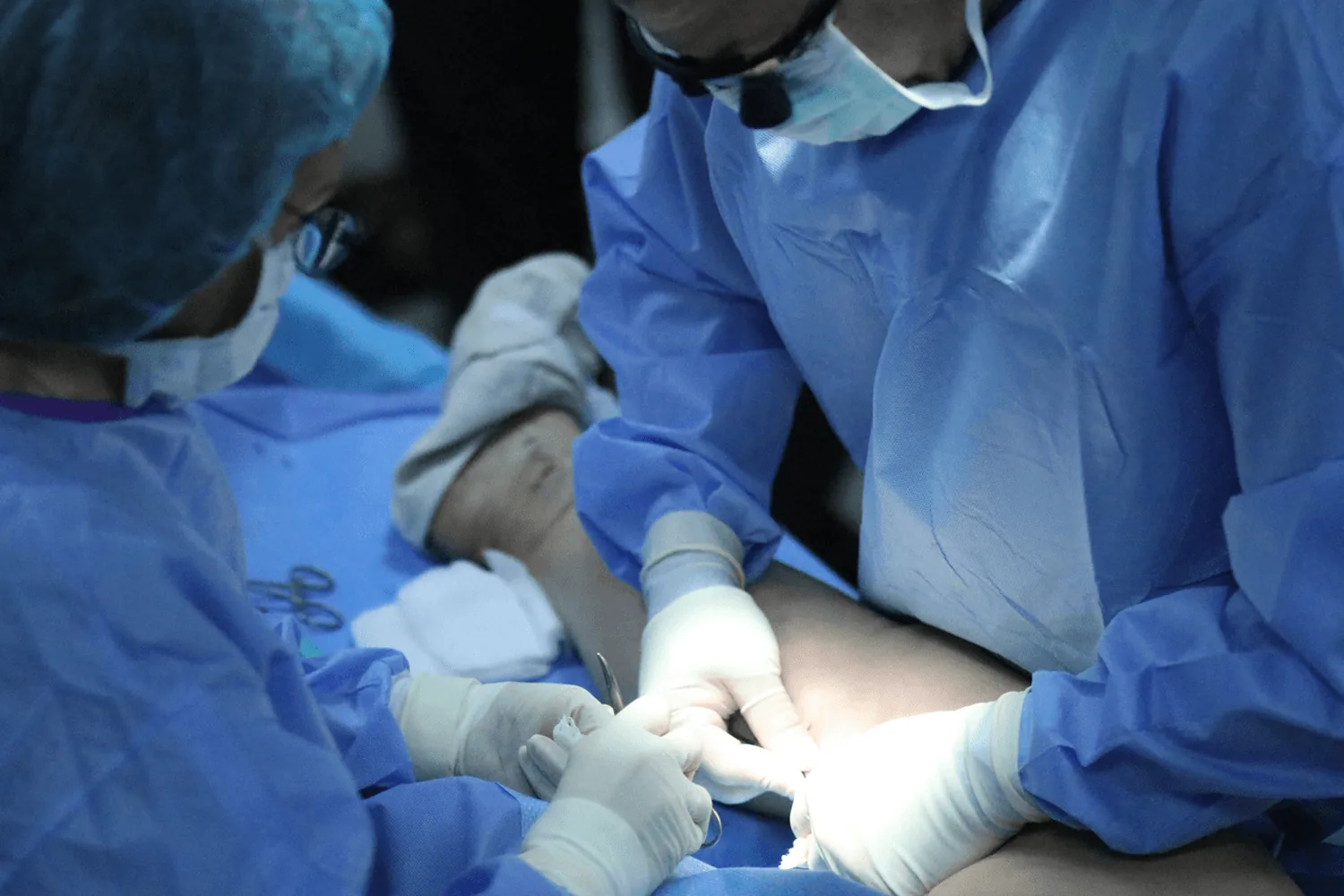
Ambulatory phlebectomy, sometimes called microphlebectomy, is a minimally invasive technique for removing selected varicose veins that sit close to the skin. After the area is numbed, the clinician makes tiny openings and removes the vein in small sections with a specialized instrument.
Phlebectomy treats the bulging branch veins you can see and feel. It does not replace treatment of reflux in a larger feeding vein, so duplex ultrasound is an important part of determining whether radiofrequency ablation, laser ablation, or another source treatment should happen first.
Because blood already flows poorly through a varicose branch, removing that vein allows circulation to continue through healthier vessels. The procedure is planned to match your anatomy rather than applied to every visible vein.
Not every varicose vein needs removal. Foam sclerotherapy or another approach may fit better depending on the vein's size, shape, location, and connection to the deeper system.
When Phlebectomy May Be Recommended
The procedure is best suited to selected surface veins rather than every form of venous disease.
Bulging surface branches
Raised, rope-like varicose veins close to the skin are the vessels most often considered for phlebectomy.
Residual veins after ablation
A branch vein can remain visible after a refluxing source vein is closed and may benefit from a separate surface treatment.
Localized vein symptoms
Selected veins may cause focal aching, tenderness, heaviness, or irritation where they protrude.
Veins poorly suited to injection
The shape, size, or location of a vein can make physical removal more appropriate than sclerotherapy.
A medically documented condition
When symptoms and ultrasound findings meet a plan's criteria, treatment may qualify for insurance coverage.
What to Expect
Your exact sequence depends on whether the visible branch is connected to untreated reflux.
-
Exam and duplex ultrasound
We map the visible vein and the system feeding it, review symptoms, and decide whether source-vein treatment is needed first.
-
Treatment planning
The target veins are marked while you are standing. We review alternatives, expected aftercare, coverage, and any reasons to delay treatment.
-
Local numbing and removal
The treatment area is numbed, tiny openings are made along the vein, and small vein sections are removed with a specialized hook.
-
Compression and walking
Small dressings and compression are applied. Walking is encouraged, while strenuous activity may be limited temporarily.
-
Follow-up
Bruising and tenderness usually settle with time. Follow-up confirms healing and determines whether any additional vein care is appropriate.
Find Out Which Treatment Fits Your Varicose Veins
An exam and ultrasound show whether a bulging branch needs phlebectomy, injection treatment, source-vein ablation, or monitoring.
Schedule a vein evaluationWhy Choose Miami Vein and Wellness, Jacksonville
A good phlebectomy result starts with accurate diagnosis. Cristal Boatright, MMS, PA-C brings extensive vein and vascular experience, with care guided by Miami Vein Center protocols and Dr. Jose Almeida's medical directorship.
We evaluate the full vein system, coordinate treatment of reflux and surface branches, and explain why phlebectomy is or is not the right tool for a particular vein.
- In-office duplex ultrasound and vein mapping
- Source-first approach to varicose vein care
- Full range of minimally invasive treatment options
- Insurance verification before treatment
- Follow-up tailored to progressive vein disease
Phlebectomy Cost and Insurance Coverage
The cost of ambulatory phlebectomy depends on the number and extent of veins treated and whether your plan considers the procedure medically necessary.
When symptomatic varicose veins and ultrasound findings meet an insurer's criteria, phlebectomy may be covered. We verify benefits and explain your expected responsibility before scheduling treatment.
Coverage requirements and patient costs vary by plan. A consultation and ultrasound are needed before an exact estimate can be provided.
Pricing is current as of the latest service menu and is subject to change. Your provider will confirm the right plan and final pricing at your consultation.
Frequently asked questions
Is ambulatory phlebectomy the same as vein stripping?
No. Traditional stripping removes a longer vein through larger incisions. Ambulatory phlebectomy targets selected surface branches through tiny openings and is generally performed with local anesthesia.
Does phlebectomy require stitches?
The openings are usually small enough that stitches are not needed. Small dressings and compression are applied, and the marks generally become less noticeable as healing progresses.
Will removing a vein hurt my circulation?
The removed vein is a poorly functioning surface branch. Blood continues through healthier veins, but ultrasound is used first to understand your anatomy and confirm the treatment plan.
How long is recovery after ambulatory phlebectomy?
Walking is encouraged soon after treatment, and many patients return to light routine activity quickly. Bruising, soreness, swelling, or firmness can occur, and your provider will give activity and compression instructions based on the extent of treatment.
Can varicose veins return after phlebectomy?
A removed vein does not grow back, but venous disease can progress and new varicose veins can develop elsewhere. Treating underlying reflux when present and continuing follow-up helps protect the result.
Is ambulatory phlebectomy covered by insurance?
It may be covered when varicose veins cause documented symptoms and the plan's medical-necessity requirements are met. Cosmetic treatment is generally self-pay, and every policy has its own criteria.
How is phlebectomy different from sclerotherapy?
Phlebectomy physically removes selected bulging surface veins through tiny openings. Sclerotherapy injects a solution that closes a vein so the body can absorb it. Vein size, shape, location, and ultrasound findings determine which approach fits.
Ambulatory Phlebectomy is available at our St. Johns County office in the Durbin Park area — serving Jacksonville, St. Johns, Ponte Vedra, Mandarin, Durbin, Silverleaf, Nocatee, Julington Creek, Fleming Island, and St. Augustine.
Treat the Source and the Veins You Can See
Bulging varicose veins deserve a plan built from your anatomy, symptoms, and ultrasound—not a treatment chosen from appearance alone.
Book a consultation for a clear diagnosis, options, and coverage review.
Book my consultationOr call/text (904) 310-7186.